





This store requires javascript to be enabled for some features to work correctly.


We want you to feel confident and comfortable during every phase of your cycle. That’s why we develop high-quality period underwear.
You will always get clear, honest words from us instead of empty promises.
Where we currently stand and what we are still working on. An open look at our supply chain, climate, materials, and the people we work with.
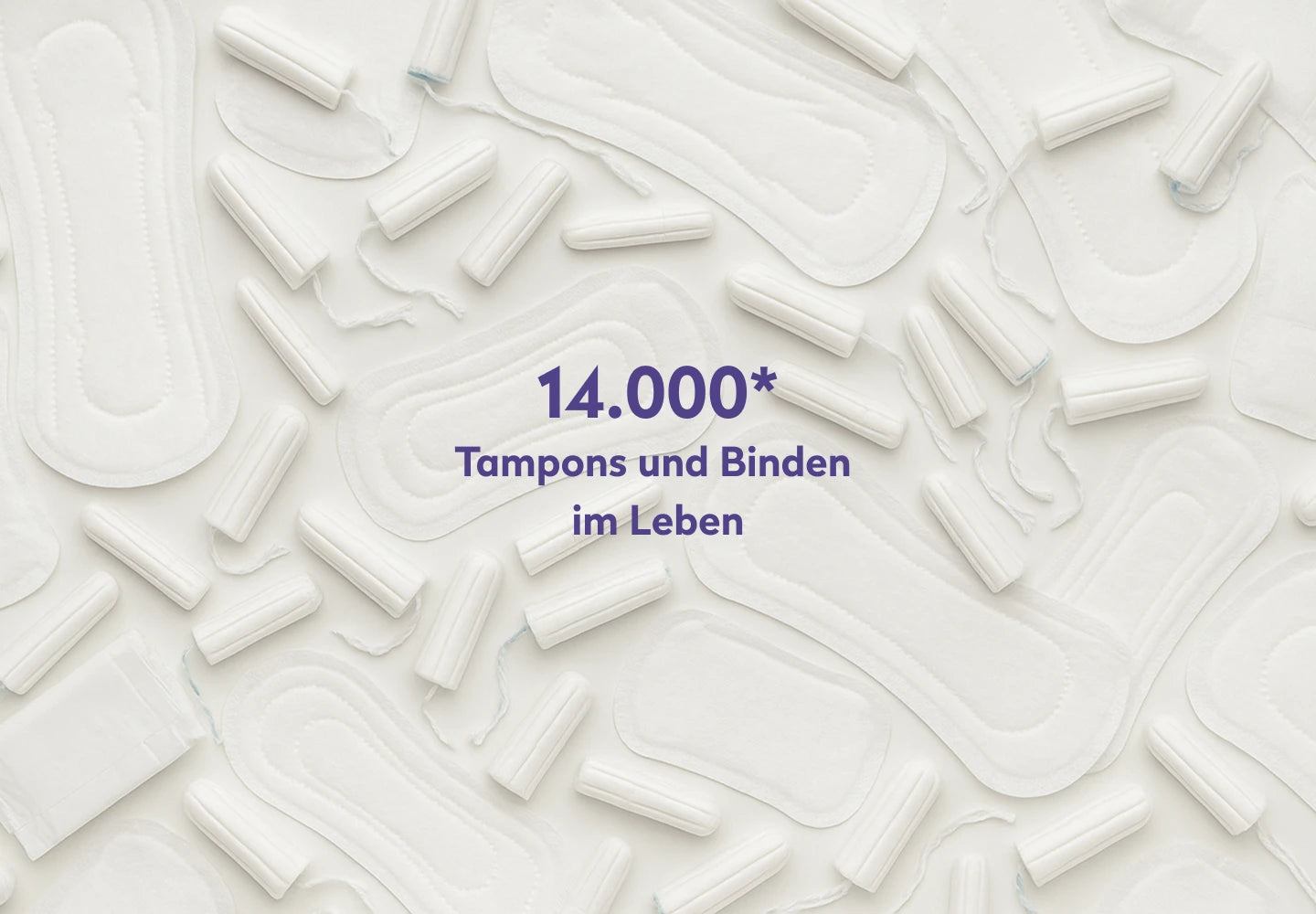
Did you know that a menstruating person uses around 14,000* tampons or pads over the course of their lifetime?
This creates a lot of waste and puts a strain on your skin, your wallet, and your nerves.
*Source: www.healthline.com

• Reusable instead of disposable
• No slipping, no strings, no worries
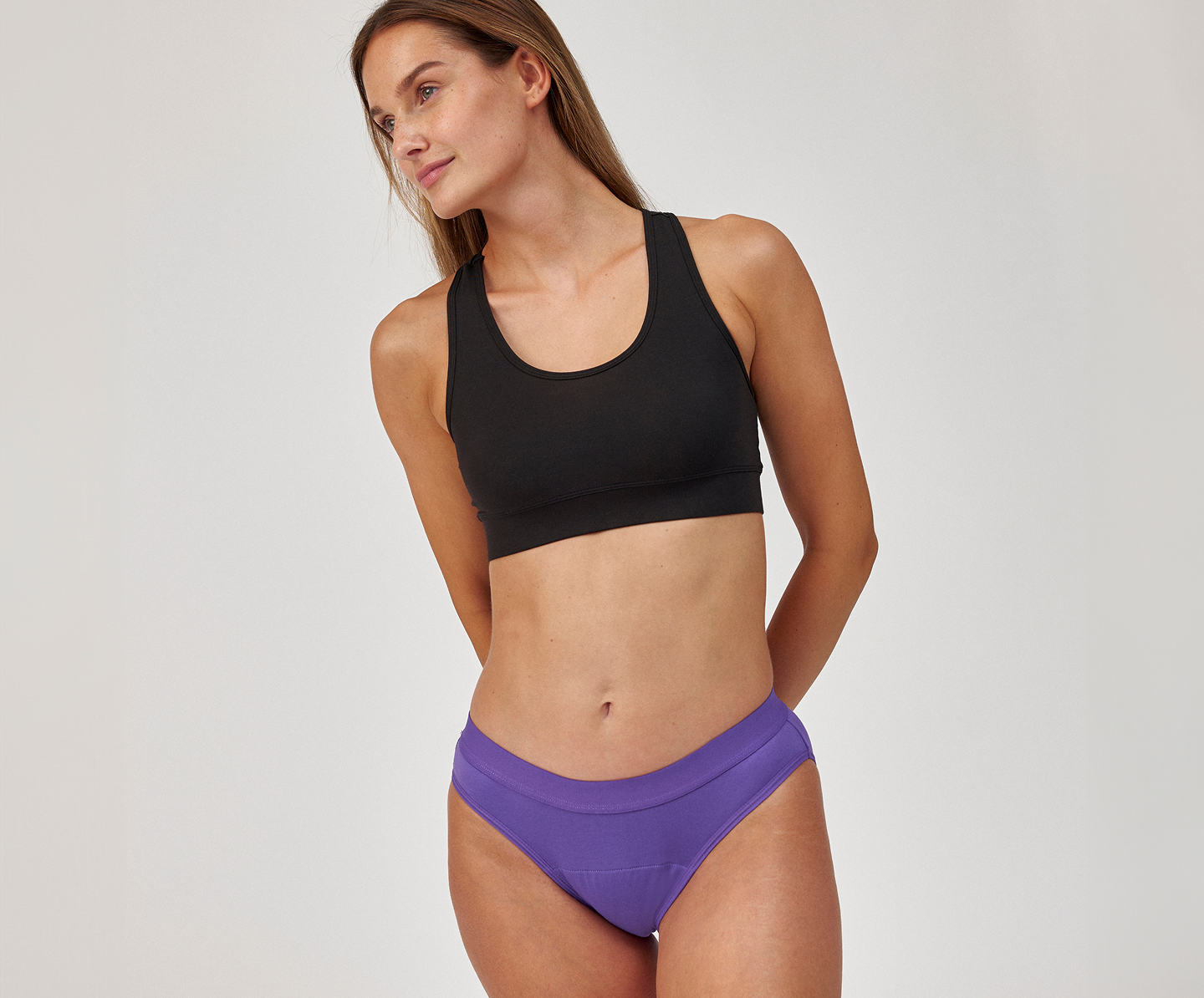
• Soft, safe, breathable – day & night
And you don't have to constantly think about the next
change.
For your safety and well-being, we recommend changing the panty after 8 hours at the latest - or sooner if it feels full. The exact wearing time depends on the heaviness of your period - and on which Absorbency you choose.
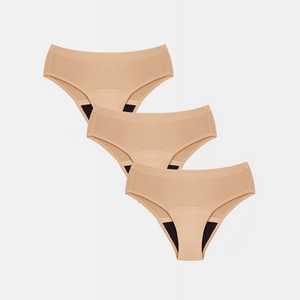
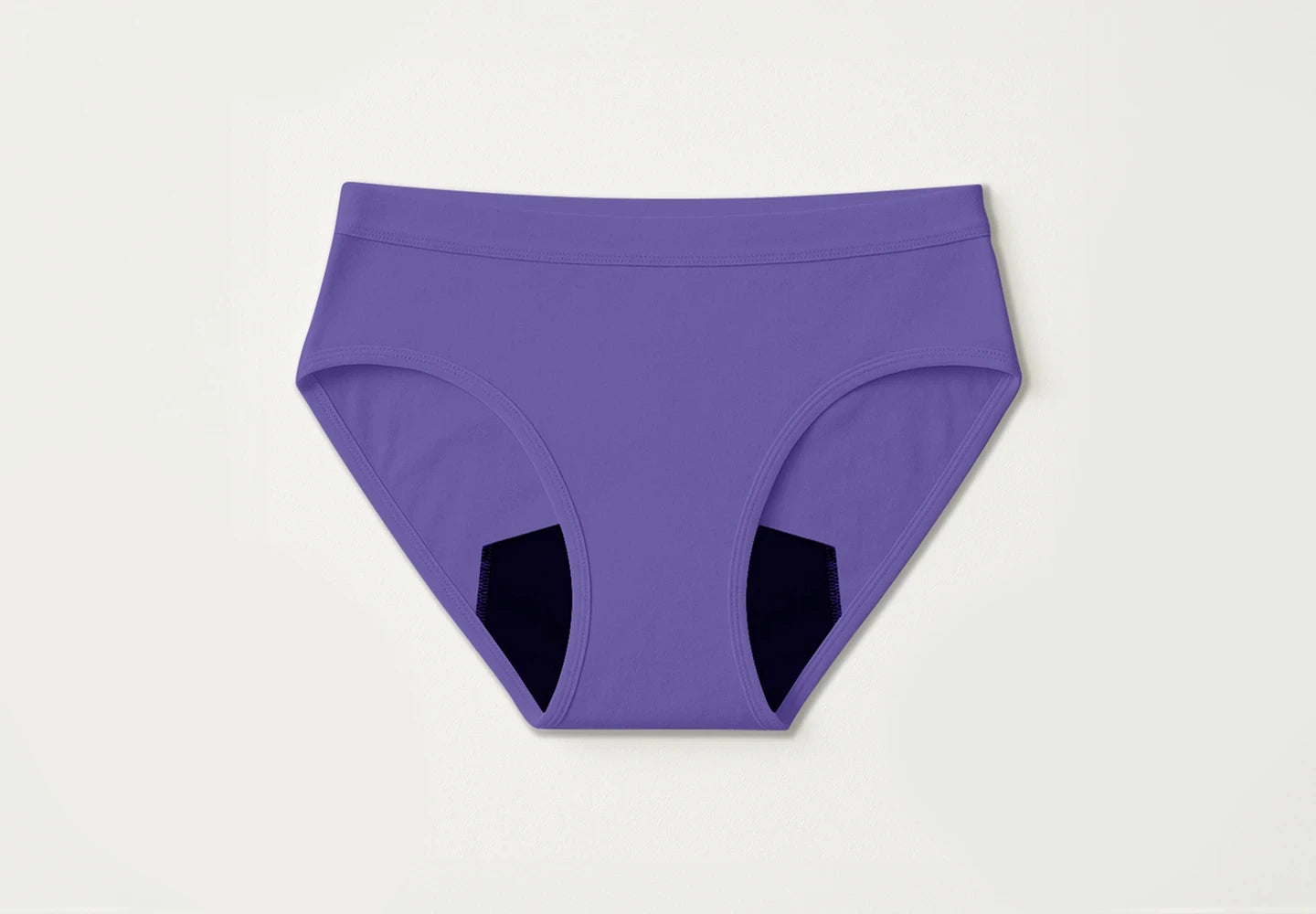
Our Period Panty ROMY doesn't just look good - it has what it takes, too. Quite literally. That's because ROMY consists of four clever layers that work together to provide a secure, dry and comfortable feel.


ROMY's four-layer system (strong) absorbs up to the equivalent of 2.5 tampons - and offers reliable leak protection, even during heavy periods.
ROMY is washable at 40 °C, durable, and ready for many cycles with you.
Our panties work without any antibacterial additives. femtis deliberately avoids biocides such as silver chloride - because we believe that only what is necessary belongs in the intimate area.
Some of our models were tested by Hohenstein according to the FEMTECHMAS-6513-1:2023 standard. This independently assesses how absorbent the gusset area is and whether the measured absorbency matches the values we specify.
The testing standard itself does not define any fixed minimum or target values. You can find more information here:
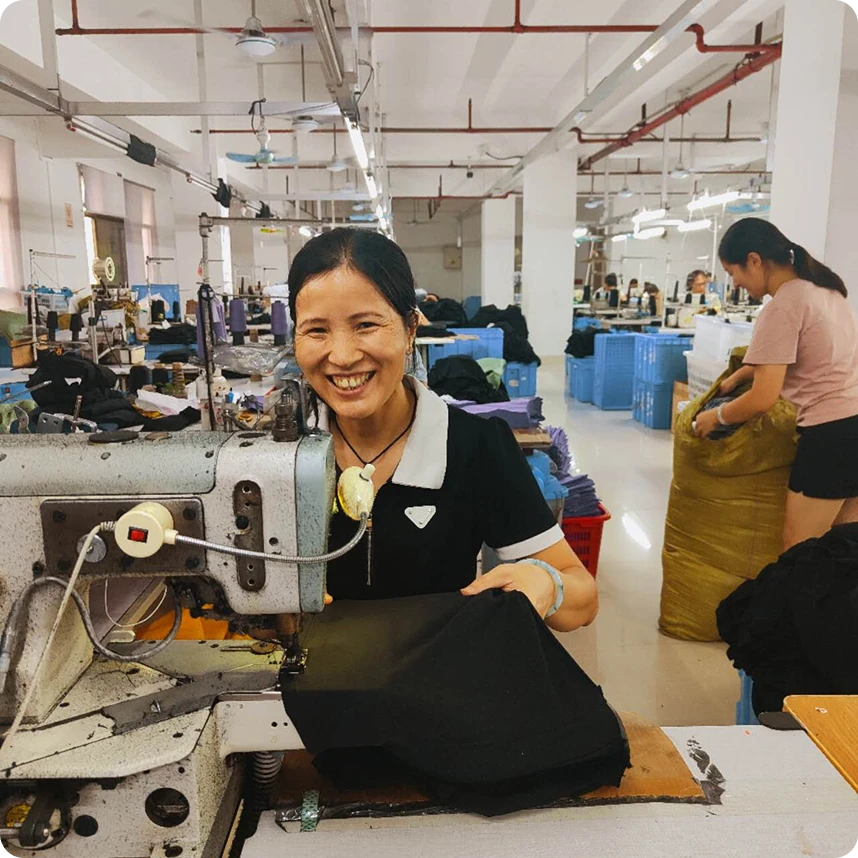
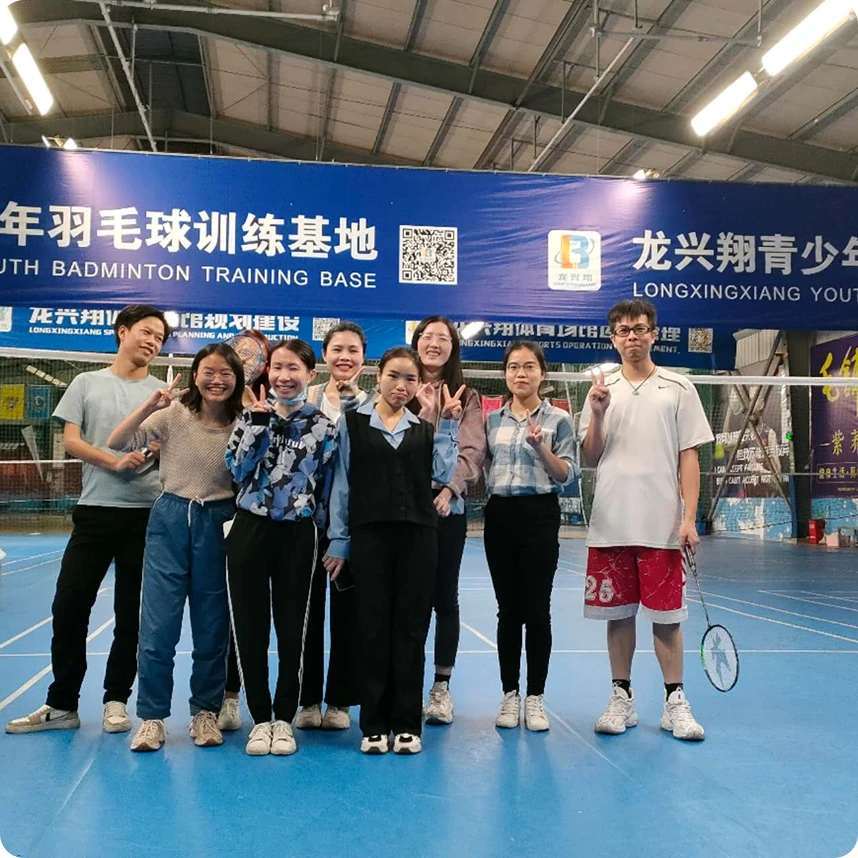
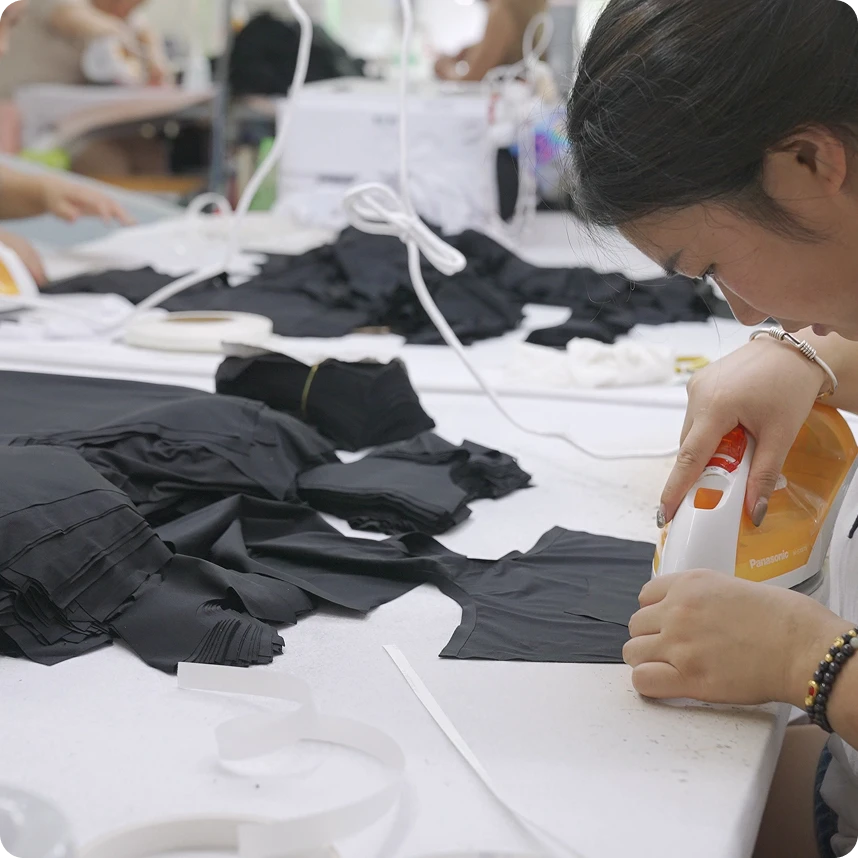
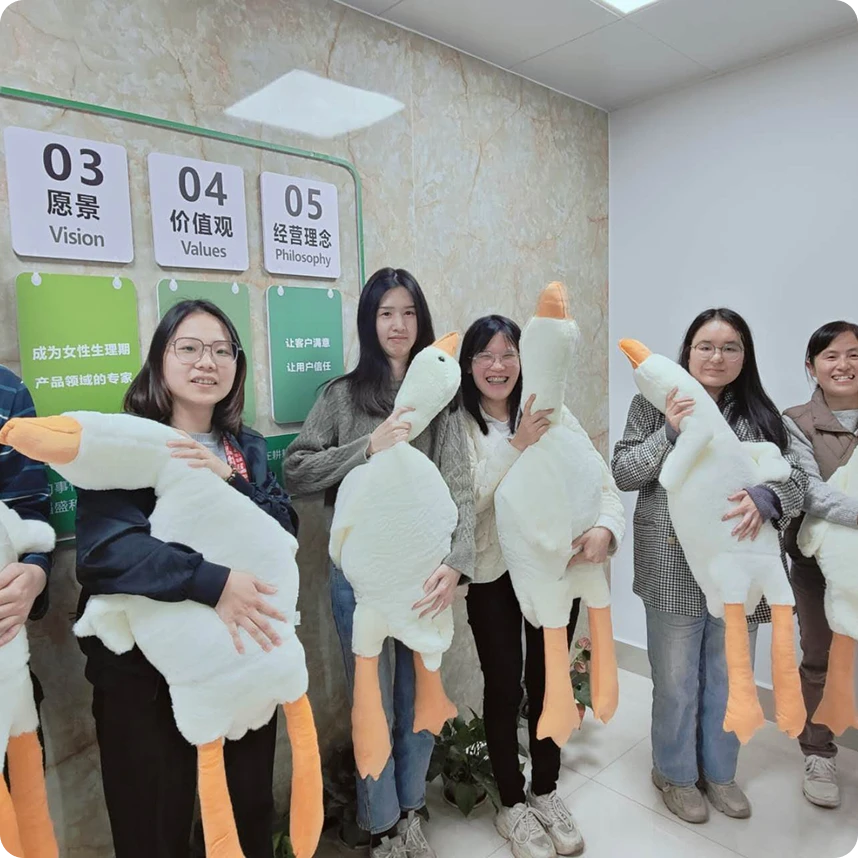
Our panties come from a production facility that we have worked closely and trustingly with since 2018. The factory is located in China and is managed by Rose, who places great importance on supporting women within the company. Currently, 75 women and 38 men work there - a team that knows exactly what matters.





That’s why we have not only good intentions, but clear rules: Our Code of Conduct defines what we - and our partners - stand for and expect: socially, environmentally, and transparently.
To our Code of Conduct
But one thing is also clear: Paper alone changes nothing. We focus on genuine dialogue and long-term collaboration with everyone who comes into contact with our products. What does that mean? We meet in person as often as possible and stay in touch across national borders in the meantime.
To our HRDD Policy
HRDD stands for Human Rights Due Diligence - our human rights due diligence in the supply chain. How do we identify risks? How do we address them? And what happens if something goes wrong? Our HRDD Policy describes all of this - from prevention and grievance mechanisms to remediation. The process is based on the UN Guiding Principles on Business and Human Rights, the OECD Guidelines, and the ILO core labor standards.
To our Grievance Mechanism
What happens when something goes wrong in our supply chain? Our Grievance Mechanism Policy describes how complaints are submitted, who handles them, and how we work with our partners to provide remediation - including clear deadlines and protection for everyone who comes forward.

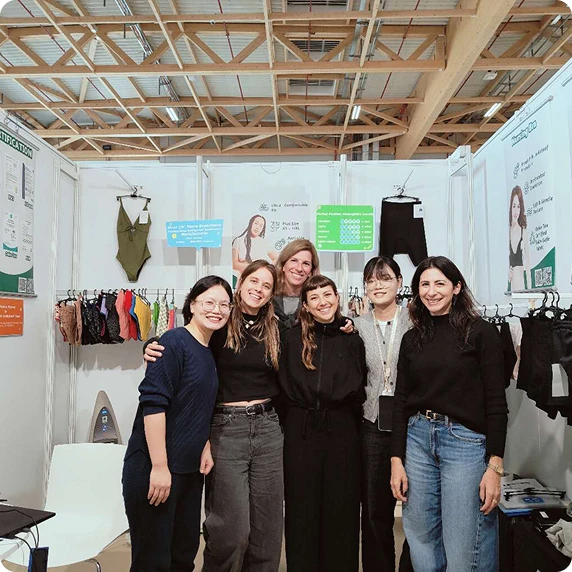

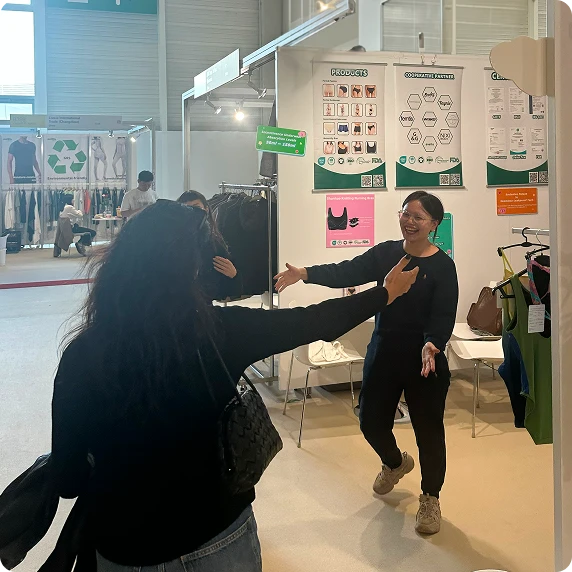

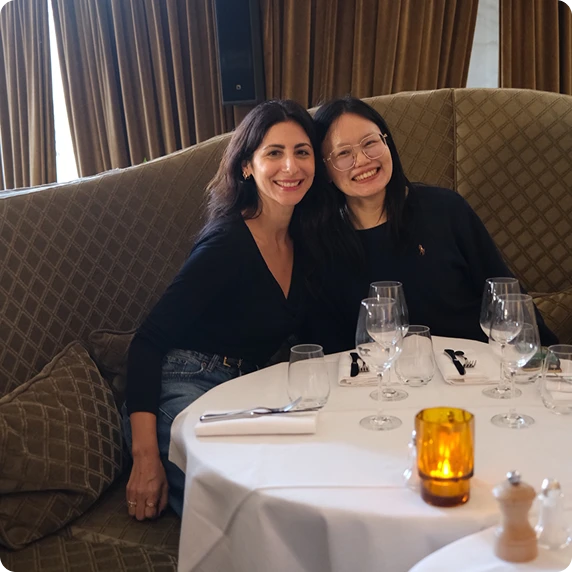

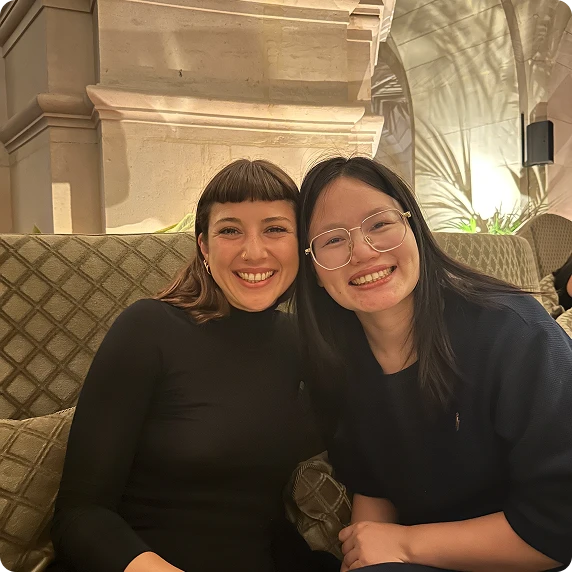
Since 2025, femtis has been a member of Fair Wear - a nonprofit organization that works worldwide to promote safe, fair, and decent working conditions in the textile industry. For us, this means taking responsibility throughout our supply chain - not just when an audit is around the corner.
We work closely with our factories to identify risks such as long working hours, low wages, or inadequate workplace safety at an early stage - and improve them step by step.
We focus on stable relationships, regularly visit our production sites, and develop concrete improvement plans together
Starting in 2026, we will transparently publish what is going well - and what is not - every year. The results will then be publicly available on our Fair Wear Brand Page. The first Brand Performance Check will be published in 2026.
When problems arise, we do not look away. Fair Wear supports us in finding solutions that truly make a difference for workers.


Fair Wear brings brands, factories, and other stakeholders to the table to make structural changes - in a system that is often highly complex. Our shared goal: better working conditions for the people who make our products.
And most importantly: No item of clothing is “100% fair.” But we can - and want to - get a little better every day. That is exactly why we are part of Fair Wear. Because as a manufacturing company, we always leave a footprint. And when people work together, things do not always run perfectly. What matters to us is looking closely, taking responsibility, and finding solutions together - instead of pretending that there are no challenges.
Transparency is important to us - even if that means admitting that we are only just getting started.
In the future, we would like to have our period underwear OCS certified. Why not GOTS? Our production facility is GOTS-certified - a standard for high environmental and social standards. However, we currently cannot have our period underwear GOTS-certified because, in addition to the permitted PU protective layer, other functional materials are used that do not meet GOTS requirements. This is simply a challenge with period underwear because it has to meet different criteria than regular clothing. The Organic Content Standard (OCS) verifies the proportion of organically produced cotton and enables its traceability throughout the supply chain. For the intimate areas of our products, we use organically grown cotton.
In the past, 100% of our products were shipped by air. Today, we are changing our approach, with the goal of gradually switching to sea freight. Starting in 2026, at least 50% of our shipments are expected to be transported by ship; in the long term, we aim to reduce the share of air freight to below 2%.
Yes - no CO2 footprint (yet), no seals (yet).
But we're working on it. And we'll take you along.
We know: We can’t save the world. But we can do something - and we’re simply getting started.
femtis regularly donates to projects that promote education, equality, and period justice.
Example: Around 500 returned panties went to Period e.V. and will therefore end up where they’re truly needed.
And this is only the beginning.
Are you part of a nonprofit organization and in need of returned items?
Feel free to get in touch with us.
In short: We do not categorically describe our panties as “sustainable.”
Like every product, they also have an environmental impact.
At the same time, femtis panties are designed for repeated use and intended as an alternative to disposable menstrual products. Let us explain: Over the course of their lifetime, a menstruating person uses around 14,000 tampons and pads (source: www.healthline.com). If you use period underwear, you can reduce your need for disposable products.
Our panties are designed for repeated use, are washable, and contain no biocides or silver chloride.
For us, responsibility above all means being honest, making no promises of perfection, and continuously improving our products step by step.
In short: We do not categorically describe our panties as “sustainable.”
Like every product, they also have an environmental impact.
At the same time, femtis panties are designed for repeated use and intended as an alternative to disposable menstrual products. Let us explain: Over the course of their lifetime, a menstruating person uses around 14,000 tampons and pads (source: www.healthline.com). If you use period underwear, you can reduce your need for disposable products.
Our panties are designed for repeated use, are washable, and contain no biocides or silver chloride.
For us, responsibility above all means being honest, making no promises of perfection, and continuously improving our products step by step.
Depending on the model, we use different primary materials - such as cotton, modal, or polyamide. All panties consist of multiple layers, each with a specific function.
You can find more details about the materials on the respective product pages.
Depending on the model, we use different primary materials - such as cotton, modal, or polyamide. All panties consist of multiple layers, each with a specific function.
You can find more details about the materials on the respective product pages.
Our panties are cruelty-free - because we believe animal products have no place in your underwear. 🐰
Our panties are cruelty-free - because we believe animal products have no place in your underwear. 🐰
We deliberately avoid such additives.
We deliberately avoid such additives.

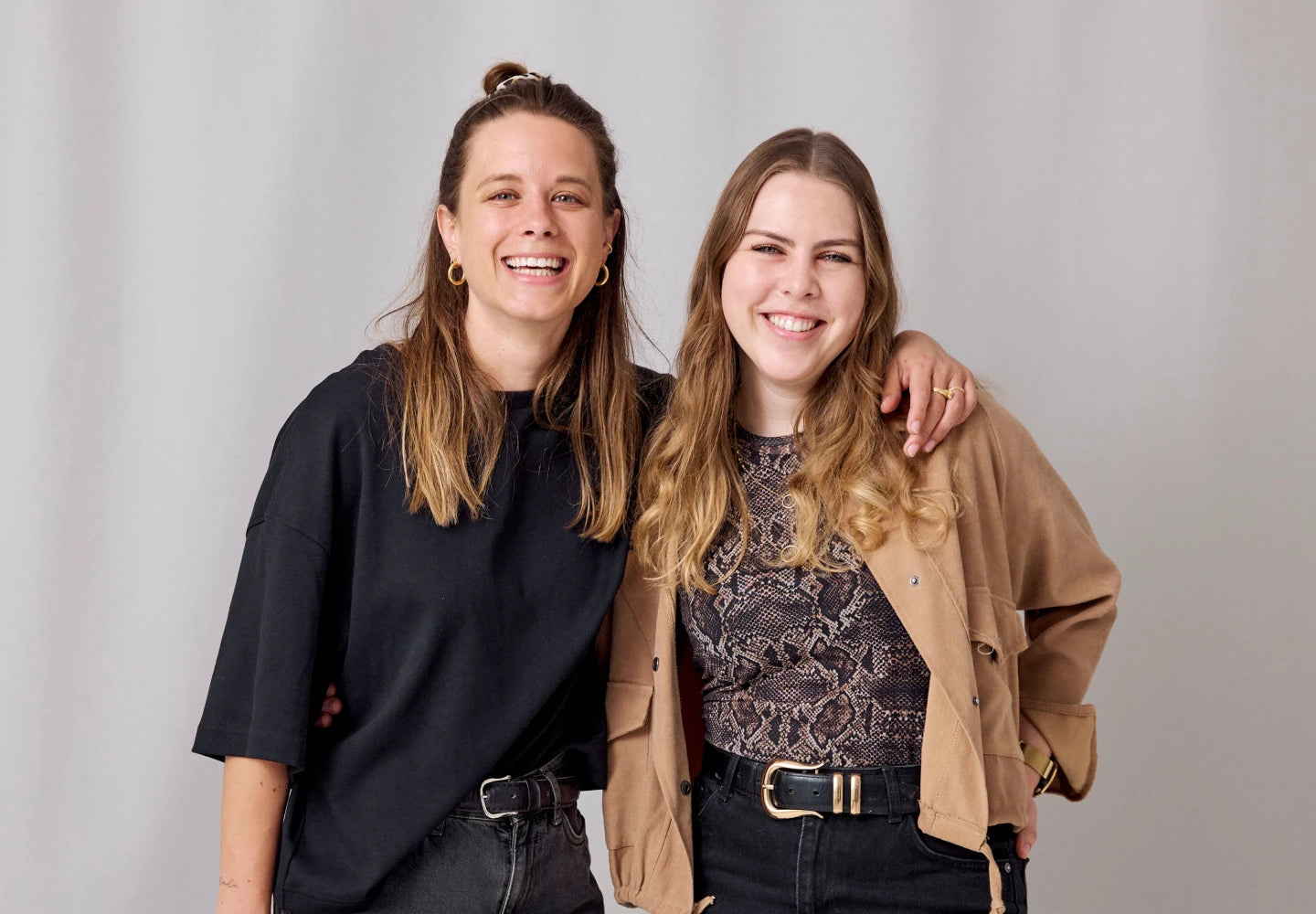
Do you still have questions or want to know more?
Get in touch.
Your ESG team
Stefanie & Lisa
Want to know more? Here you can find out which countries we produce in - from Tier 1 to Tier 4.
View the report
Want to know more? Here you can find out which countries we produce in - from Tier 1 to Tier 4.
View the report
Want to learn more? Here you can find out which environmental principles guide our decisions - from material selection and climate to chemical management and the circular economy.
To the report
Want to learn more? Here you can find out which environmental principles guide our decisions - from material selection and climate to chemical management and the circular economy.
To the report
Want to learn more? Find out here how we promote living wages in our supply chain.
To the report
Want to learn more? Find out here how we promote living wages in our supply chain.
To the report
Want to learn more? Here you can find our update on measures and the current status, aimed at identifying and systematically addressing risks in our supply chain - based on our annual risk analysis in accordance with OECD standards.
To the report
Want to learn more? Here you can find our update on measures and the current status, aimed at identifying and systematically addressing risks in our supply chain - based on our annual risk analysis in accordance with OECD standards.
To the report
Want to learn more? Here you can find out how we promote responsible business practices and work to ensure that human rights and environmental protection are respected at Les Lunes and throughout our entire supply chain - based on internationally recognized standards such as the ILO core labour standards and the UN Guiding Principles. Note: The Code of Conduct is a binding document that sets out the minimum standards for Les Lunes and all business partners in our supply chain - it describes our requirements and commitments, not a completed outcome.
To the report
Want to learn more? Here you can find out how we promote responsible business practices and work to ensure that human rights and environmental protection are respected at Les Lunes and throughout our entire supply chain - based on internationally recognized standards such as the ILO core labour standards and the UN Guiding Principles. Note: The Code of Conduct is a binding document that sets out the minimum standards for Les Lunes and all business partners in our supply chain - it describes our requirements and commitments, not a completed outcome.
To the report
Would you like to learn more? Here you can find out how we organize our procurement and what social and environmental requirements we place on our supply chain.
To the report
Would you like to learn more? Here you can find out how we organize our procurement and what social and environmental requirements we place on our supply chain.
To the report
Would you like to learn more? Here you can find out how we implement human rights due diligence in our supply chain - from risk analysis, prevention and monitoring through to grievance mechanisms and remediation. Our approach is guided by the UN Guiding Principles on Business and Human Rights, the OECD Guidelines and the ILO core labor standards.
To the report
Would you like to learn more? Here you can find out how we implement human rights due diligence in our supply chain - from risk analysis, prevention and monitoring through to grievance mechanisms and remediation. Our approach is guided by the UN Guiding Principles on Business and Human Rights, the OECD Guidelines and the ILO core labor standards.
To the report
Want to learn more? Here you can find out how we handle complaints from our supply chain - from recording and investigation through to remediation. The policy describes our complaint channels, responsibilities, processing deadlines, and protection against retaliation.
To the report
Want to learn more? Here you can find out how we handle complaints from our supply chain - from recording and investigation through to remediation. The policy describes our complaint channels, responsibilities, processing deadlines, and protection against retaliation.
To the report
Would you like to learn more? Here you can find out how we at Les Lunes document our work in the ESG area along the supply chain—from our due diligence obligations and environmental and social standards to our governance structure. The report describes our key areas of action, the underlying standards, and our most important performance indicators.
View the report
Would you like to learn more? Here you can find out how we at Les Lunes document our work in the ESG area along the supply chain—from our due diligence obligations and environmental and social standards to our governance structure. The report describes our key areas of action, the underlying standards, and our most important performance indicators.
View the report
Would you like to learn more? In this policy, we explain the requirements we place on animal-derived materials such as wool and cashmere and how our animal welfare approach works throughout the supply chain.
To the report
Would you like to learn more? In this policy, we explain the requirements we place on animal-derived materials such as wool and cashmere and how our animal welfare approach works throughout the supply chain.
To the report